
Launched in 2024 and funded by a generous grant from Lilly Endowment’s Thriving Congregations Initiative
2025-2026
Phase 1:
Listening, Learning and Building Together
The first phase of the Catechetical Leadership for Renewal project focused on listening to the Church and building a foundation for lasting renewal.
Recognizing that vibrant parishes are built through strong, well-formed leaders, the University of Saint Mary of the Lake launched a broad effort to hear directly from those serving in catechetical ministry throughout the Archdiocese of Chicago. Through a comprehensive Faith Formation Survey and the creation of Learning Communities, Phase 1 sought to identify the opportunities, challenges, and formation needs facing today’s catechetical leaders.
Listening to the Church
More than 630 clergy, parish leaders, catechists, educators, and ministry volunteers participated in the Faith Formation Survey, providing valuable insight into the realities of faith formation across the Archdiocese. Their responses are helping shape the future of catechetical leadership formation and ensuring that future programs respond to the real needs of today’s Church.
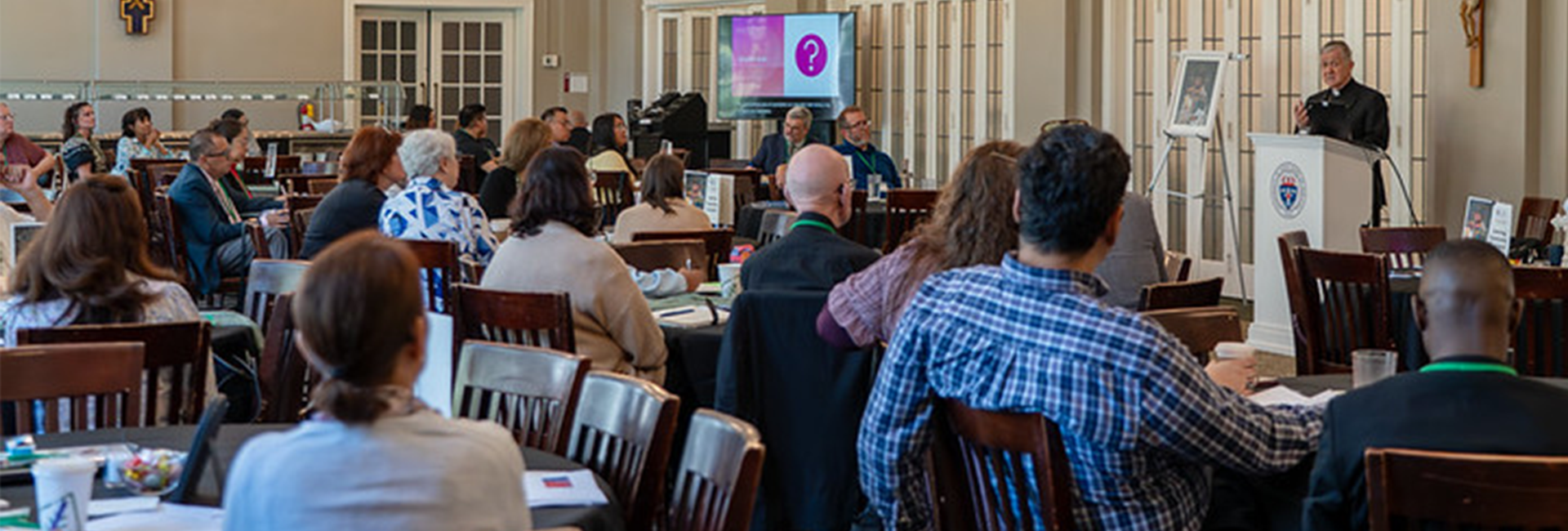
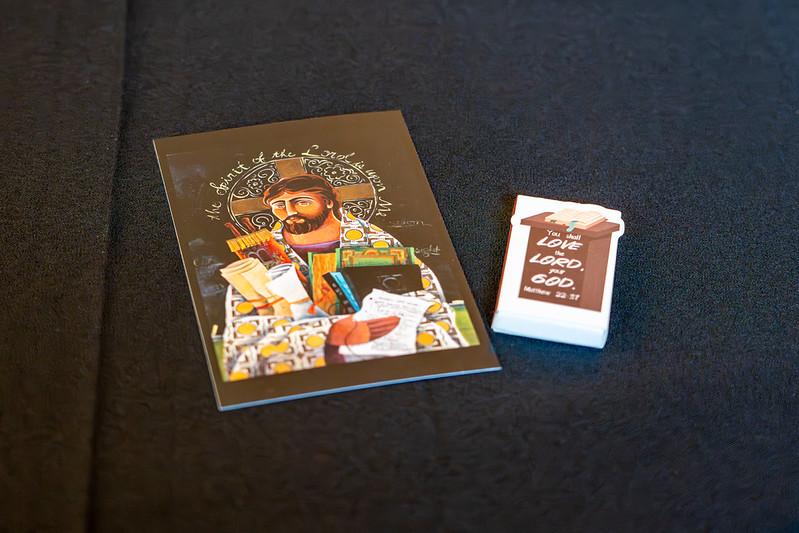
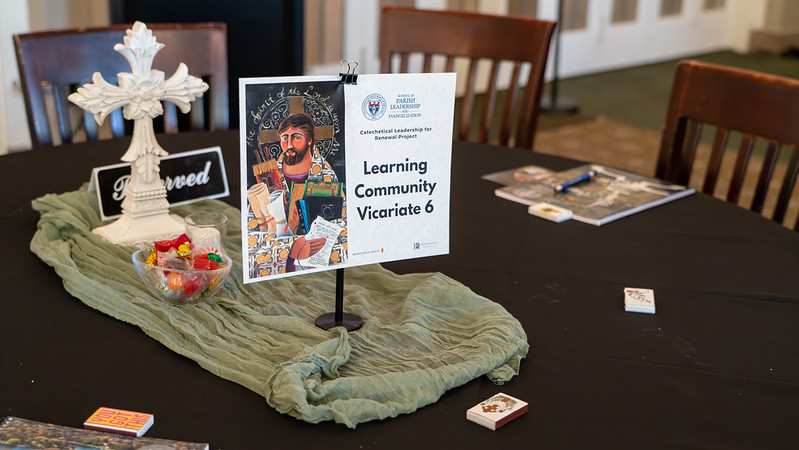
As part of the CLRP, over 60 volunteers from parishes across the Archdiocese responded enthusiastically to the call to participate in six vicariate-level Learning Communities, including a Spanish-speaking cohort. Learning community members attended a retreat in November to learn more about the Church’s call for evangelizing catechesis and the art of communal discernment in the Spirit, one of the hallmarks of a synodal church. With this formation as the backdrop, each learning community gathered for 6 months to read and reflect on selected Church teachings on evangelization, catechesis, and the co-responsibility of laity and clergy, and to respond to discernment prompts focused on the question: How is the Holy Spirit guiding us to face the deep need and sacred opportunity to renew the formation of catechetical leadership within the Archdiocese?
Forming Learning Communities (LC)
How did our Learning Community process unfold? Meeting location, dates and times were agreed upon by the members of each LC. Meeting facilitators and note-takers were also appointed. Each month, SPLE’s grant team selected a theme and provided pre-meeting reading materials, guided reading and reflection questions, as well as the discernment question for the month. Responses to multiple reflection questions and the summary discernment question were recorded by the notetakers, producing over 900 rows of data that is currently being analyzed. Over 6 months, LC members reviewed over 2 dozen resources on the Church’s catechetical teachings and renewal.
Communal Discernment Process: LC members practiced and became proficient participants in the same process employed at the Synod on Synodality gatherings, having received at the opening November retreat first-hand insight and instruction on the process from Sister Marie Kolbe Zamara OFS, S.T.D., a Franciscan Sisters of Christian Charity (Diocese of Green Bay). Sr. Marie is a globally recognized expert in the Conversations in the Spirit process. She served under Cardinal Mario Grech within the General Secretariat of the Synod of Bishops during the 2023 and 2024 gatherings in Rome. Sr. Marie helped ideate and facilitate the work of the many world-wide contributors to the Synod on Synodality, including the Conversations in the Spirit practices that emerged. A conversation in the spirit is a structural discernment rooted in the presence of the Holy Spirit. Rather than simply a discussion, Sr. Marie describes this as a “prayed conversation”, a heart-to-heart engagement “that breathes God” where the “Divine in me speaks to the Divine in you”.
This discernment process involves three stages (the “I”, “You” and “We” stages), as outlined in Sr. Marie’s guide, “Synodality and Conversations in the Spirit: The Heart of the Matter.” Through this Spirit-led process, participants listen deeply to each other, and reflect on what they heard – what moved, inspired or surprised them. In the “We” stage, the group engages in open dialogue to identify points of consensus and discern how the Holy Spirit is moving the group toward this common good. Having practiced this process over the roughly 6 months, Learning Community members learned to recognize and be docile to the voice of the Holy Spirit, and the fruits of their discernment have been insightful and inspiring.
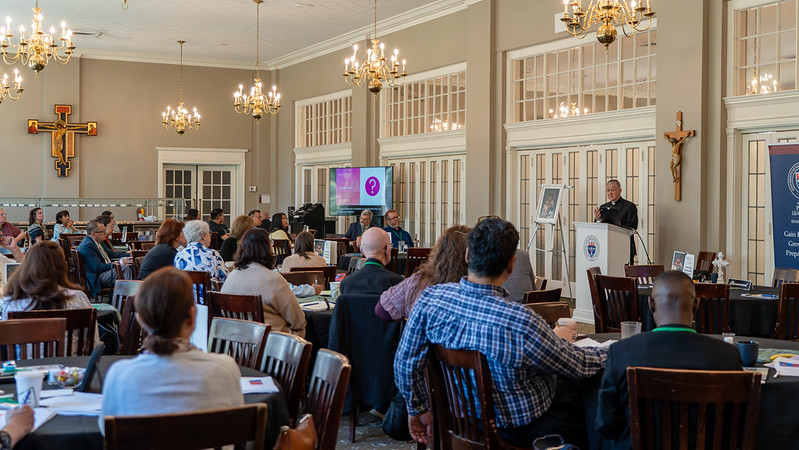
The Transformative Experience of Synodal Learning Communities
The reports from the Learning Communities revealed an extraordinary hunger among lay leaders across the Archdiocese to participate more deeply in the Church’s mission. They also indicated that people throughout the Archdiocese are eager to collaborate with the School, and the archdiocesan offices of Lifelong Formation and of Catholic Schools, to renew the processes for the formation of catechists and catechetical leaders. This has put us in an excellent position to discern which courses, workshops, and programs will best meet the faith-formation needs of the people of our local Church.
The Learning Communities have also demonstrated the remarkable fruitfulness of a synodal listening and discernment process. This has been one of the most striking outcomes of the Learning Community meetings. Additionally, Learning Community members have consistently expressed gratitude simply for being invited to engage in meaningful discernment about the future of the Church. LC members devoted over 100 hours over 6 months. They never reported feeling fatigued by the pre-meeting preparation or disengaged from the meeting process.
Participants in the Learning Communities consistently described the synodal process as spiritually transformative, energizing, humbling, and deeply hopeful. Many expressed that this was the first time they had experienced the Church truly listening together in a Spirit-led way. The result was greater unity, trust, clarity, and missionary conviction.
Importantly, this formation was not passive. Participants became practitioners of synodality. They learned how to accompany others, discern communally, and lead from a missionary posture rather than a maintenance model.
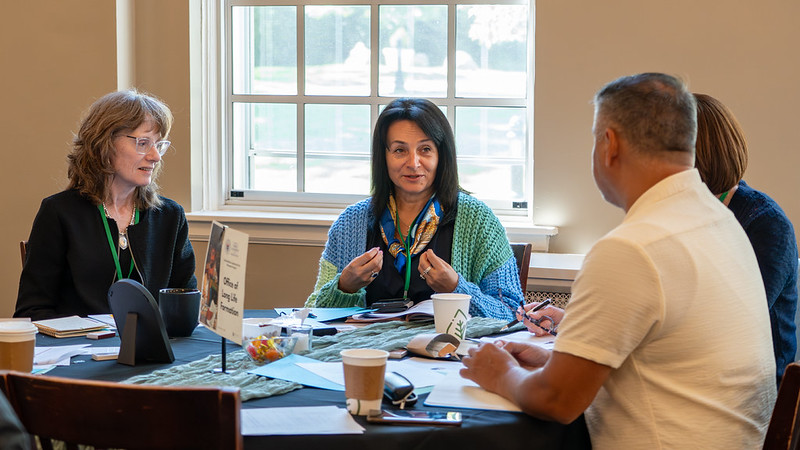
Moving to Phase 2: Design
Importance of Evangelization & Catechesis
A primary theme that emerged from the Learning Community discussions was the importance of evangelizing as an essential aspect of catechesis. Learning Community members wholeheartedly affirmed the Church’s teaching that catechesis, to be fruitful, must begin and end with evangelization. It must lead people into an encounter with Jesus, guide them to embrace the kerygma, the Good News of God’s saving grace at work in the world, and accompany them as they move outward to be missionary disciples and evangelists.
Preparing for the Future
The insights gathered through the survey, Learning Communities, and retreat are now guiding the next phase of the project. Together, they provide a strong foundation for renewing catechetical leadership formation so that future programs better prepare clergy and lay leaders to serve collaboratively in an ever-changing Church.
Phase 1 by the Numbers
$1.285 Million
Lilly Endowment Thriving Congregations grant supporting a five-year initiative (2024–2028)
630+
Faith Formation Survey responses
44
Parishes represented in the Learning Communities
6
Learning Communities established (five English-speaking and one Spanish-speaking)
60+
Participants at the inaugural Learning Community retreat
100
Hours of Learning Community Reflection & Discernment
Learning Community Intellectual & Pastoral Formation Resources
Questions contact:

Harold “Bud” Horell
Margaret and Chester Paluch Chair of Theology
University of Saint Mary of the Lake
School of Parish Leadership and Evangelization
Office: (847) 837-4541
Email: CatLeadRenewal@USML.edu

Peggy Bradley
Grant Coordinator, Catechetical Leadership for Renewal
University of Saint Mary of the Lake
School of Parish Leadership and Evangelization
Office: (847) 970-4985
Email: CatLeadRenewal@USML.edu