Imagine You’re on the Way to Nicaea…
Location: Istanbul, Nicaea/Iznik, Bosphorus Boat Ridel
After yesterday’s excitement with Pope Leo, we started today with morning prayer and a simple Mass in the basement of our hotel. The sharp contrast with yesterday’s papal festivities helped me to feel connected with both the ancient Christians that hid from persecution and the modern-day Catholic community of Türkiye that makes up less than 1% of the country’s population. One of the graces from my time in Türkiye has been realizing how blessed I am to live in a historically Christian country with a strong Catholic presence. The comparison to the US is striking; Türkiye has only about 20,000 Catholics, 13 priests, and 3 Dioceses in a country of 87 million people.
After our early morning, we hit the road for Nicaea, which is modern day Iznik. In doing so we unintentionally and serendipitously followed in the footsteps of Pope Leo who visited the city a day before us. There we saw the location of the second Council of Nicaea that was held in 787 AD and dealt with the heresy of Iconoclasm (the destruction of holy images). This Church has since been converted into the Hagia Sophia Small Mosque. The conversion of this church into a mosque again reminded me of how much the country has changed over the past millennia and of the current difficulties for Catholics. In the mosque, however, the structure of the Church and some ancient Christian frescos from the 6th century are still visible.
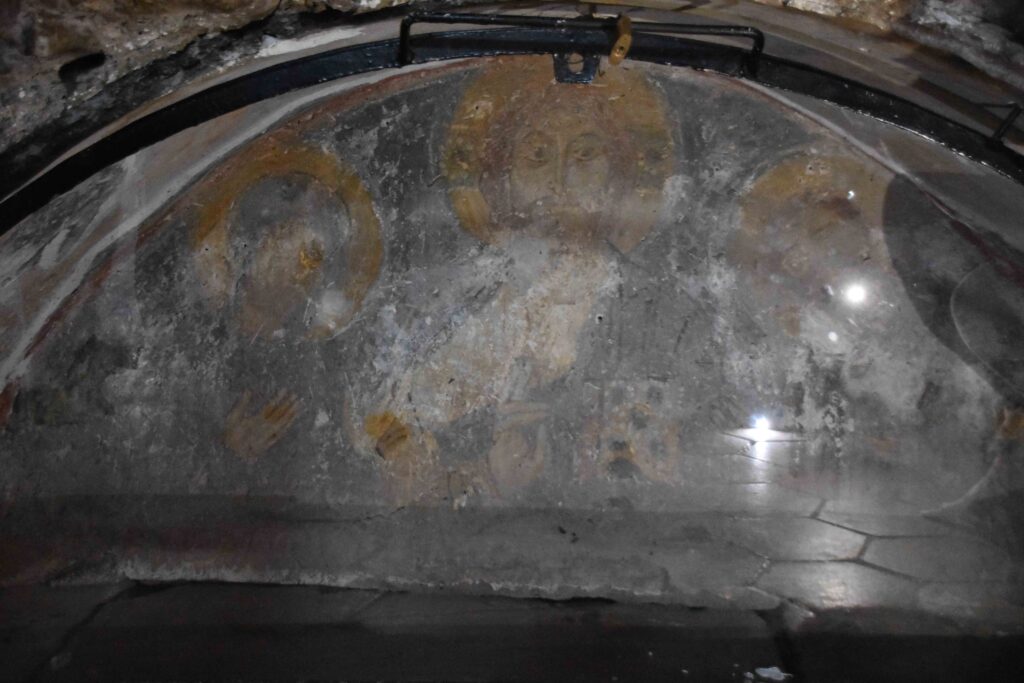
Being able to pray with these images and at the former location of the altar, connected me with those Council Fathers and early Christians. The fruit of their faithfulness and dedication has led to the presence of beautiful images around the world, images that have deepened my faith, and the faith of millions that have followed them.
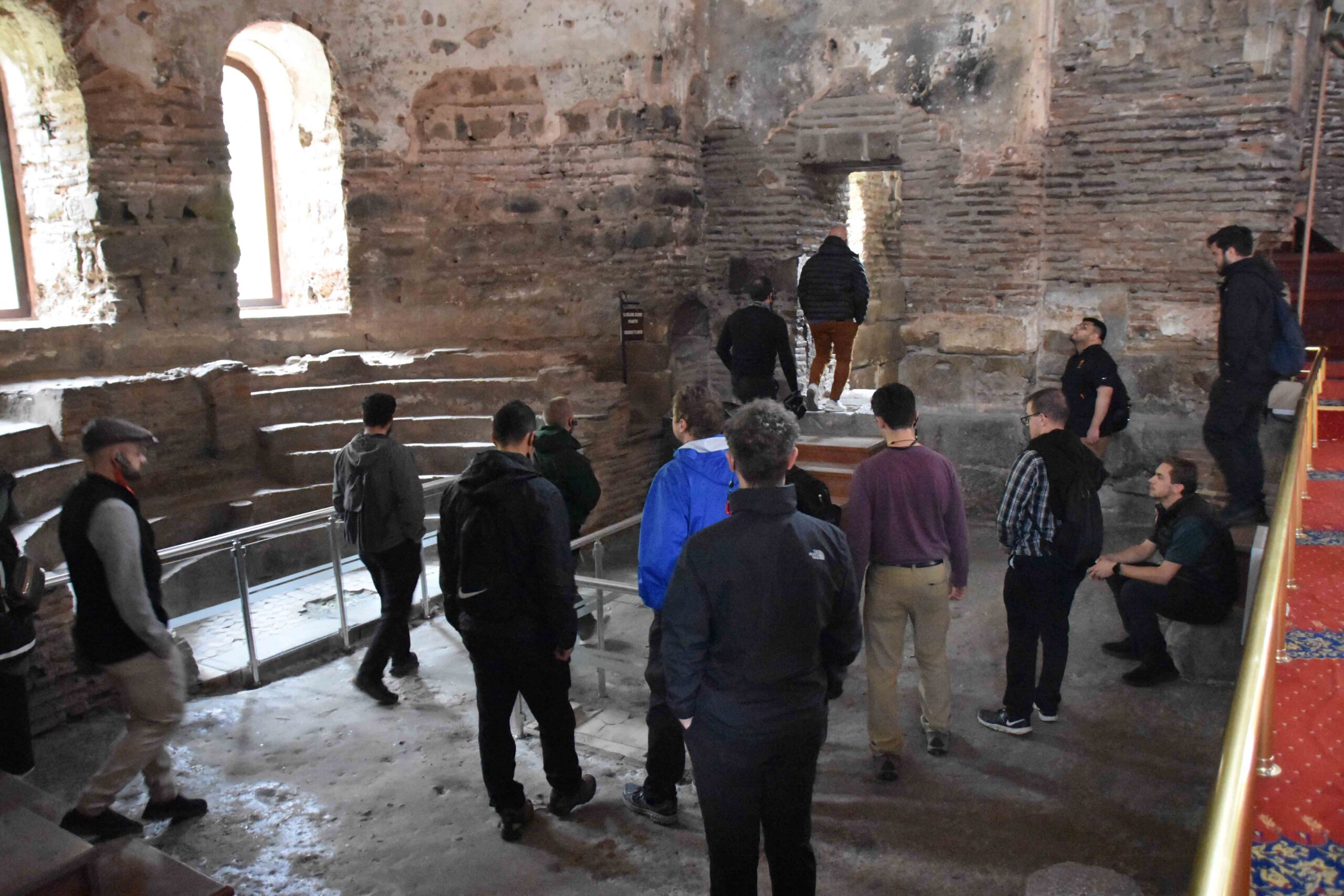
Our next stop was the partially submerged ruins of the original Church of Nicaea that may have held the first Council of Nicaea in 325 AD. At this council, the Church upheld Christ’s full divinity, rejecting the heresy of Arianism, and gave us the first part of the Nicene-Constantinople Creed (the Creed that we still say at Mass on Sunday and Solemnities). As we visited this place and prayed the creed, I could not help but think about how we were following our spiritual father’s lead, Pope Leo, who prayed the creed at this location yesterday. Here my studies came to life. Having studied this profession of faith and being able to see the place where it began, the significance of these words struck me. These words, words that define us and our faith 1700 years later, began here with people cooperating with the Holy Spirit. These words form a connection between us and our fathers and mothers in faith, who witness to the ancient and ever fresh gift that we carry today. The creed, in connecting us with our ancestors in faith, shows us that the Spirit that was working in these councils is the same Spirit that is still at work in us today and He is truly burning to set the world aflame with the love of Christ.
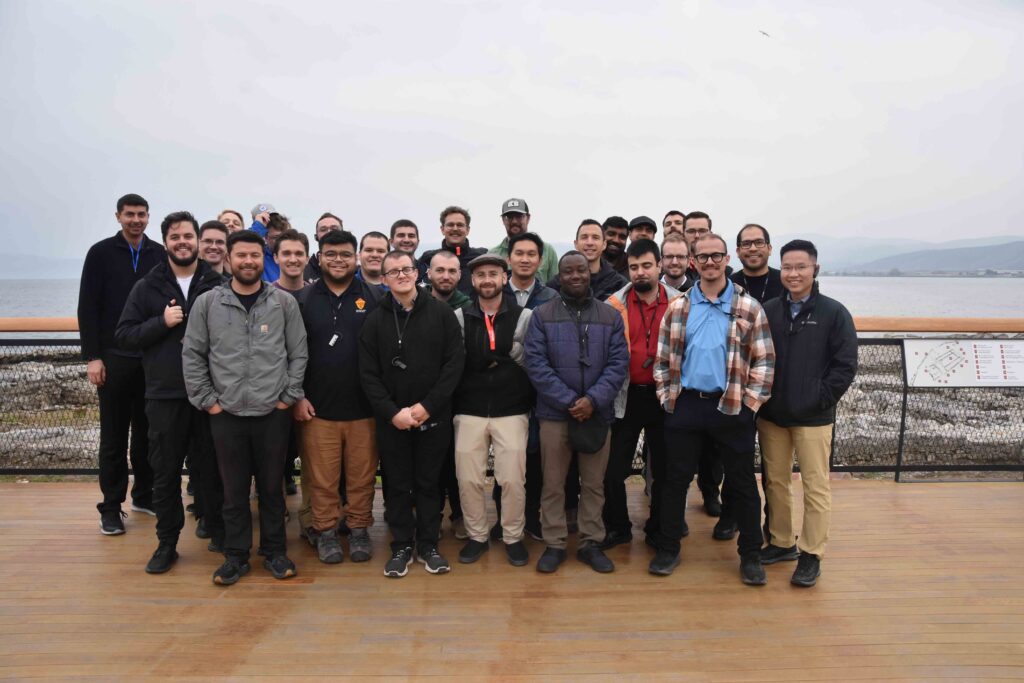
Finally, we ended our day with a boat tour on the Bosporus Channel, Mass back at St. Anthony’s Church, and a sendoff celebration for Fr. Joby, who is returning to the United States tomorrow while we continue our pilgrimage.
-Casmir Cozzi, Diocese of Belleville